Looking to invest in cryptocurrency but not sure which exchange to use? We've compared Bitmart and Kucoin across a range of important metrics to help you make an informed decision. From KYC requirements to available countries, trading fees, and deposit methods, we've got you covered. Read on to find out which exchange is the best fit for your specific needs!
Bitmart and Kucoin are two fast-growing cryptocurrency exchanges that cater to users across the globe. Bitmart was founded in 2017 by Erte Xia and is registered in the Cayman Islands. The exchange has over 9 million users from around the world and is available in 180 countries.
Bitmart exchange
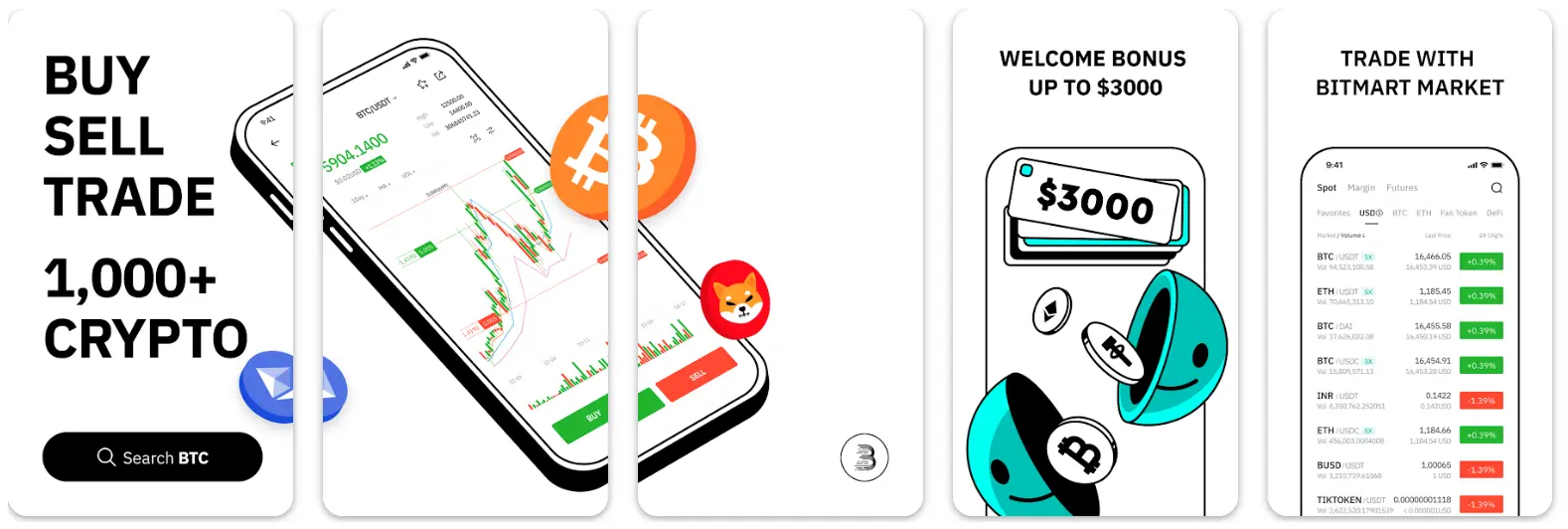
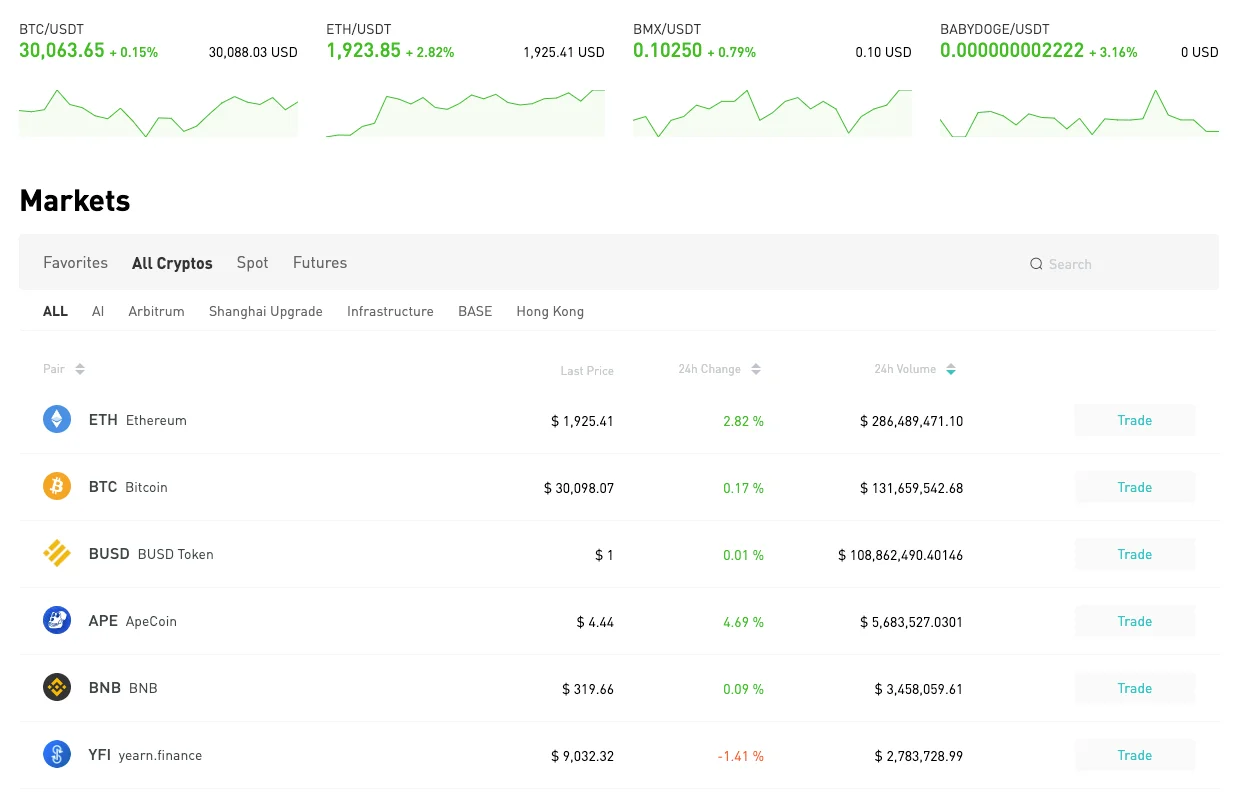
Users on Bitmart can engage in spot trading, futures contract trading, margin trading, and over-the-counter trading. The exchange supports an impressive 750 cryptocurrencies making it one of the most diverse exchanges on the market. Both exchanges have mobile apps that can be downloaded on Android and IOS platforms. Bitmart's app has over 1 million downloads with a 3.5-star rating.
Bitmart app
Kucoin was founded in 2017 by Michael Gan and is a subsidiary of Seychelles registered MEK Global Limited. The exchange supports over 700 cryptocurrencies, including Bitcoin, Ethereum and numerous altcoins for degens to ape into.
Kucoin exchange
Kucoin is a global cryptocurrency exchange offering a range of services including spot trading, margin trading, futures, staking, and lending. The platform has grown an impressive user base of over 20 million users from over 200 countries around the world. Similar to Bitmart, Kucoin's services are also available on mobile where they have received over 5 million downloads with a strong rating of 4.3 based on over 120,000 reviews.
Kucoin app
Bitmart vs Kucoin Signup & KYC
Moving on to KYC requirements, Bitmart and Kucoin have similar approaches to their KYC requirements.
Bitmart only requires KYC verification for full access to all spot and futures trading. For basic cryptocurrency deposits and and use of their spot services, users don't need to KYC. The signup process on Bitmart is smooth with only an email and password being required in addition to confirming your email.
Bitmart signup
Once the account has been opened, for those that wish to access more features, they can complete Bitmart's KYC process which requires uploading a valid ID verification plus some additional information. After that, it can take up to 24 hours before the verification has been approved by Bitmart.
Similar to Bitmart, Kucoin does not require KYC verification for those that just want to deposit cryptos and begin trading right away. Signing up only takes less than a minute as only basic email or phone signup is required.
Kucoin KYC benefits
For those that want to access higher withdrawal limits, increased leverage and bigger trading limits, KYC is mandatory. And like with all the other exchanges, users will have to enter personal information in addition to providing a valid ID of some kind. Kucoin will then verify the account within a few hours assuming their are no issues with the provided documents.
Bitmart vs Kucoin Products & Services
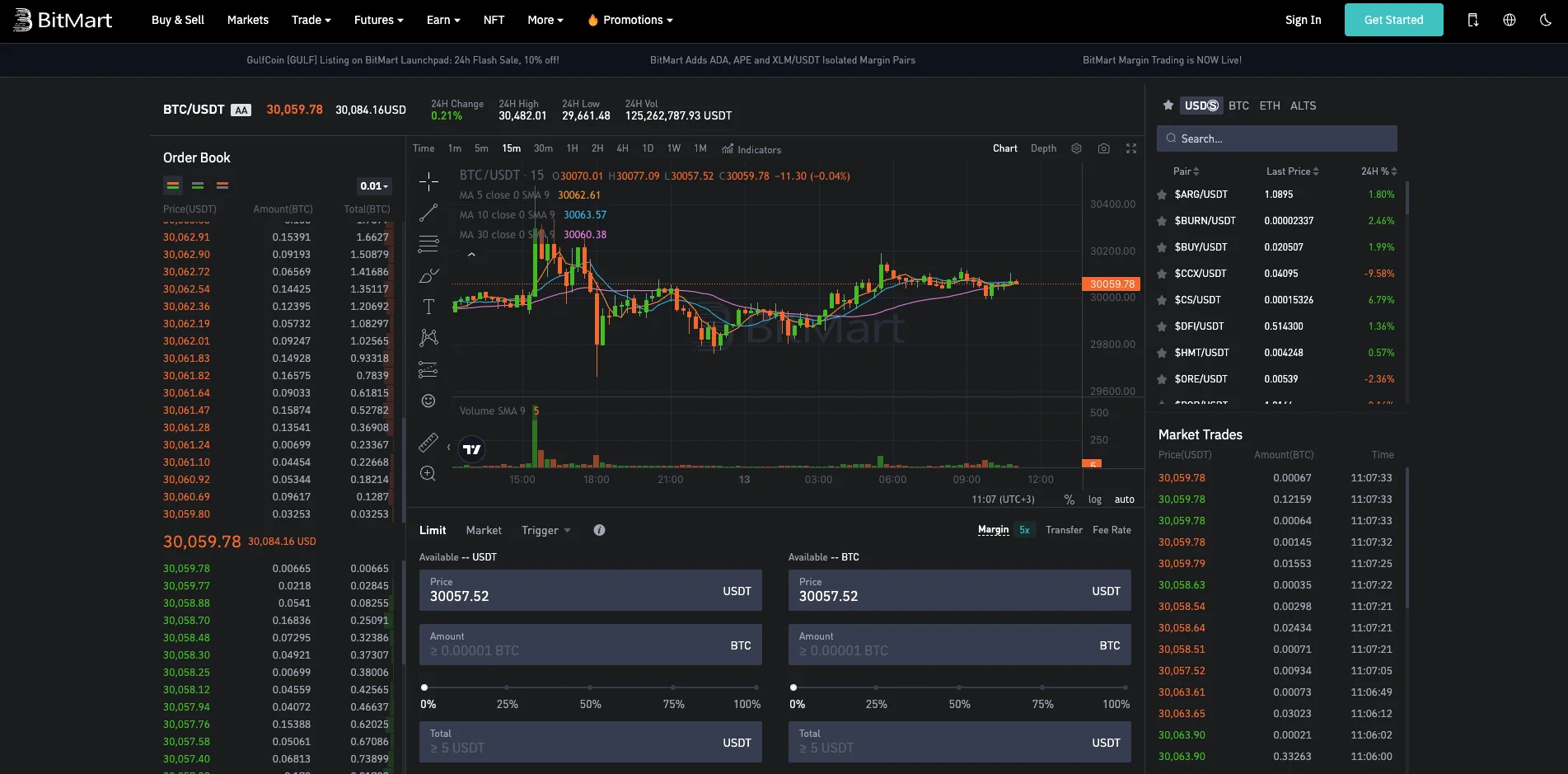
Let's continue by exploring the products and features offered by each excahnge. Bitmart provides trading services such as spot, futures and margin trading.
Bitmart spot trading
In terms of liquidity, Bitmart has an average daily spot trading volume over $550 million, while Kucoin frequently is in the top 10 with daily spot trading volumes in the range of $600 to $900 million. Bitmart offers a max leverage of 125X in both cross and isolated positions, while Kucoin offers a max leverage of 100X.
Bitmart markets
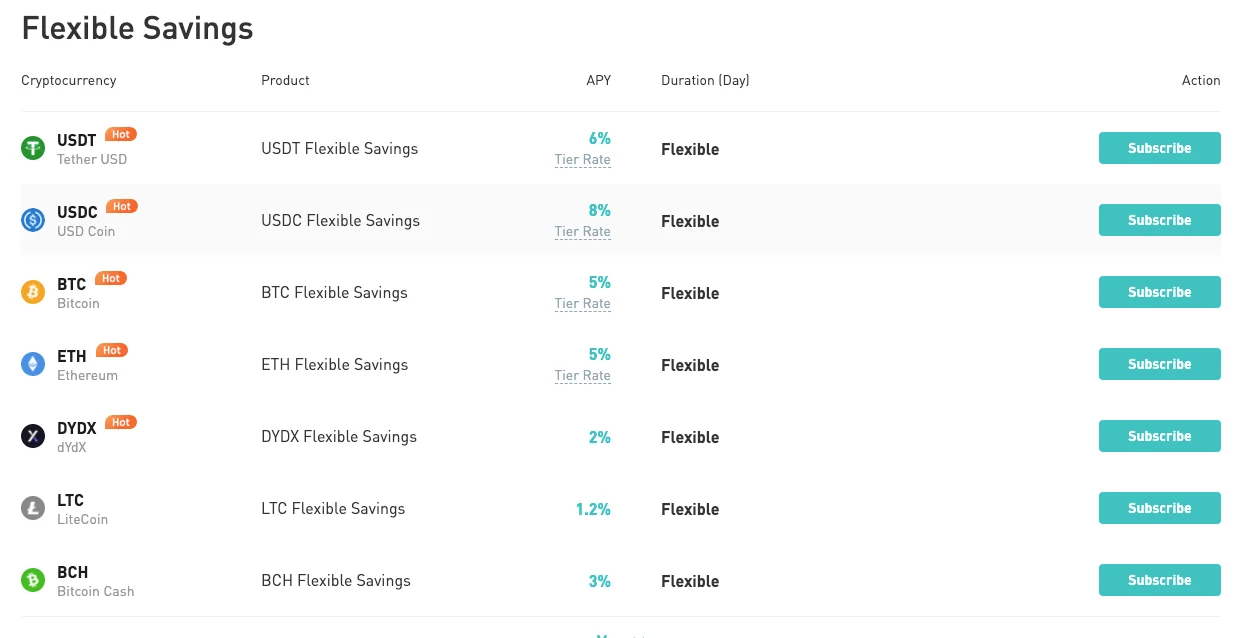
Margin trading is available on both exchanges, with Bitmart offering up to 5X leverage and Kucoin offering up to 3X leverage with USDC, USDT, BTC, and DAI as underlying collateral. Bitmart also offers more basic financial services with the ability to lend and borrow digital assets, stake cryptocurrencies, buy and sell NFTs and even access new token listings through their own launchpad.
Bitmart savings
Kucoin is a more versatile exchange than Bitmart that offers similar trading services such as spot and margin trading, futures, leveraged tokens, and trading bots, which can help users automate their trading strategies.
Kucoin spot trading
In terms of liquidity, Kucoin frequently is in the top 10 with daily spot trading volumes in the range of $600 to $900 million. Besides trading, Kucoin also has financial services like staking and lending and borrowing, enabling users to earn interest on their digital assets and staking opportunities.
Kucoin staking
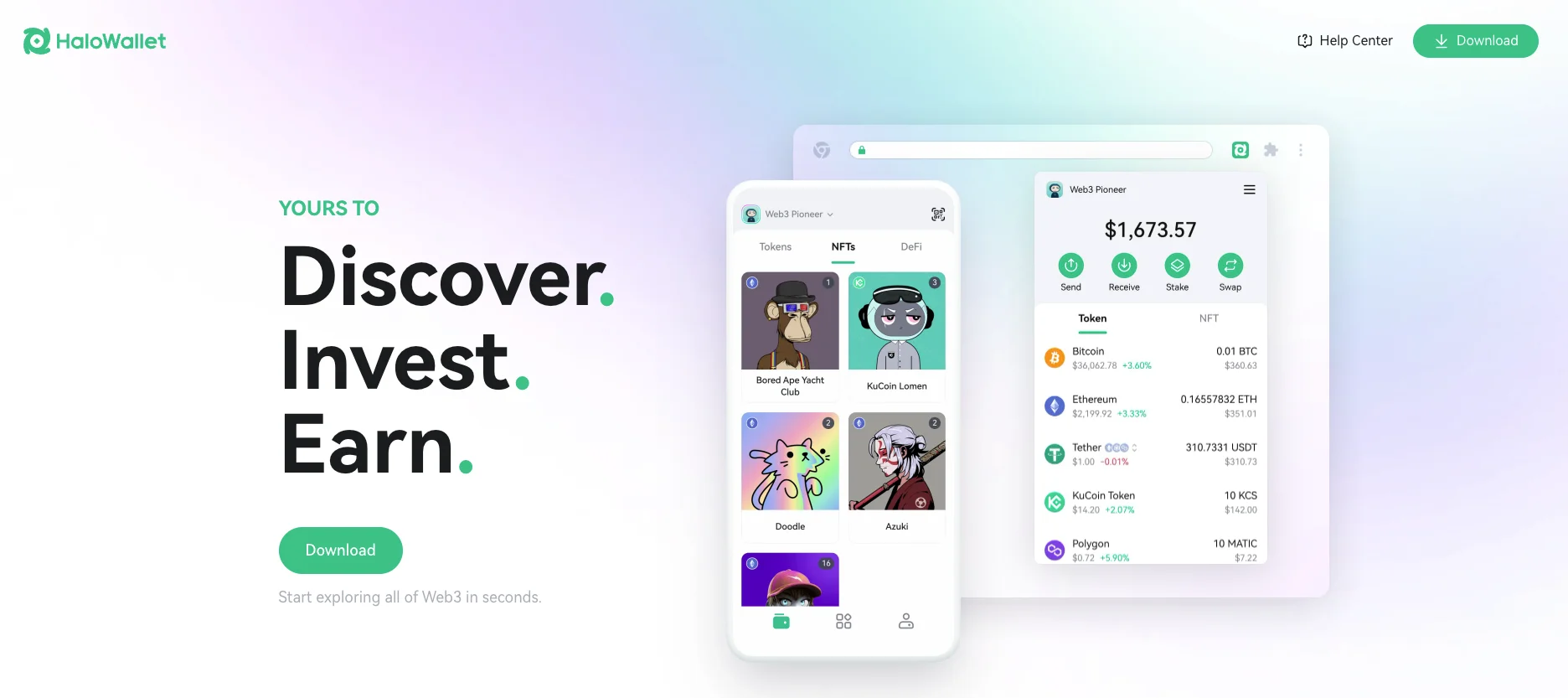
Kucoin has expanded its offerings by introducing an NFT marketplace called Windvave, catering to the growing demand for digital art and collectibles. Finally, the platform also has its own Web 3 wallet for those that want to hold their own private keys.
Kucoin Halo wallet
When it comes to user experience, both Bitmart and Kucoin have created modern and user friendly interfaces. Having said that, total beginners will likely find both exchanges a bit challenging to navigate in the beginning as there are a lot of things going on.
When it comes to trading fees, does Bitmart or Kucoin come out on top? Let's take a closer look at the trading fees offered by each exchange.
Bitmart charges a spot maker fee of 0.10% and a spot taker fee of 0.10%. They also charge a futures maker fee of 0.02%, and a futures taker fee of 0.06%.
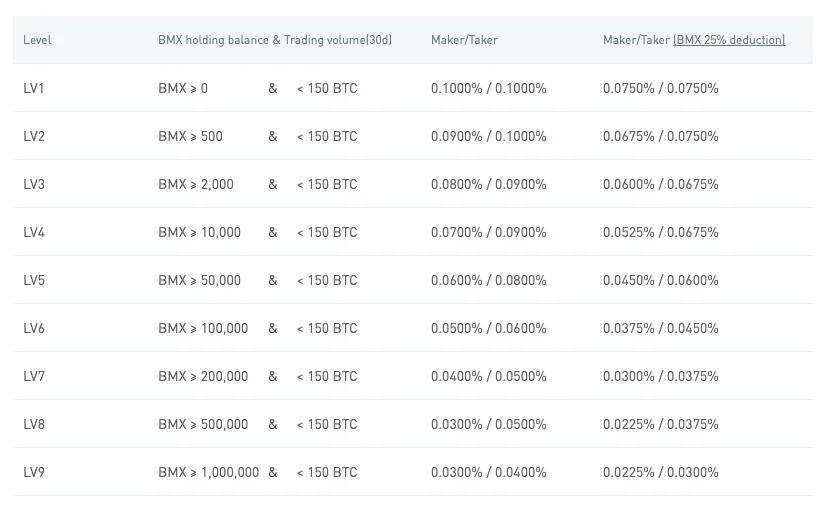
These fees are in line with what you'll find on other popular exchanges like Binance, OKX and Phemex. Bitmart also offers fee rebates for high volume traders or those who hold at least 500 BMX tokens.
Bitmart spot fees
Similar to Bitmart, Kucoin also charges a spot maker and taker fee of 0.10%. fee of 0.10%. And when it comes to futures fees, Kucoin once more have identical fees with a maker fee of 0.02% and a futures taker fee of 0.06%.
Kucoin spot fees
Fees can be furthered lowered on Kucoin for both spot and futures trading if monthly trade volumes exceed 50 Bitcoins or if the user holds at least 1000 KCS tokens.
When it comes to depositing fiat currencies on cryptocurrency exchanges, Bitmart and Kucoin both have their own unique solutions.
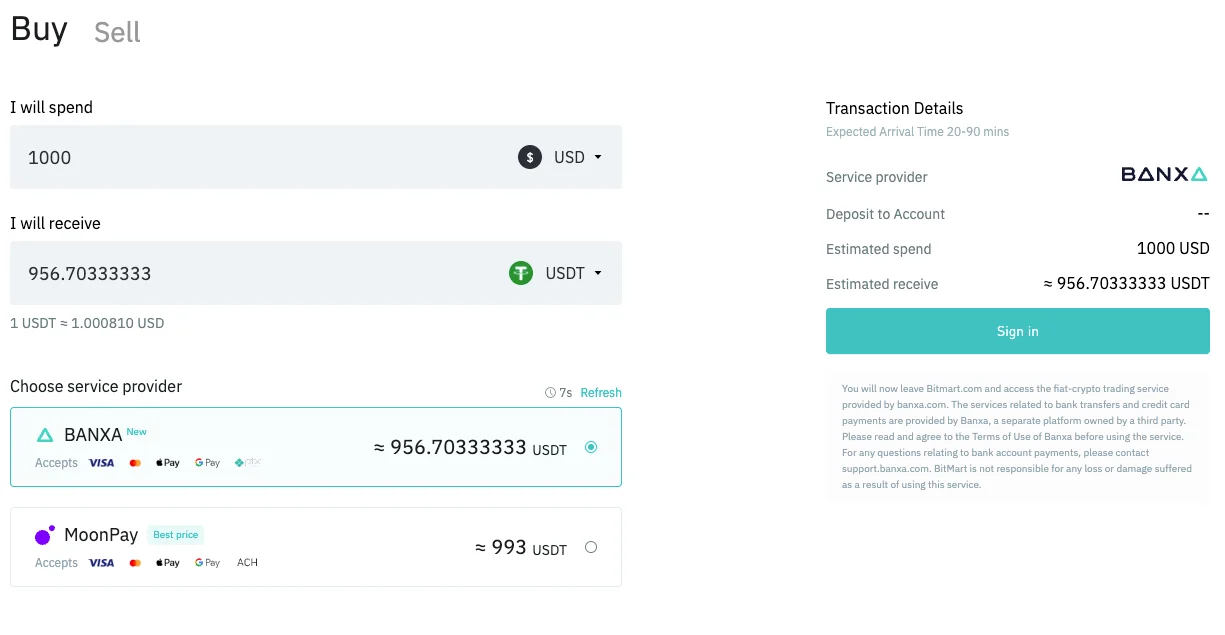
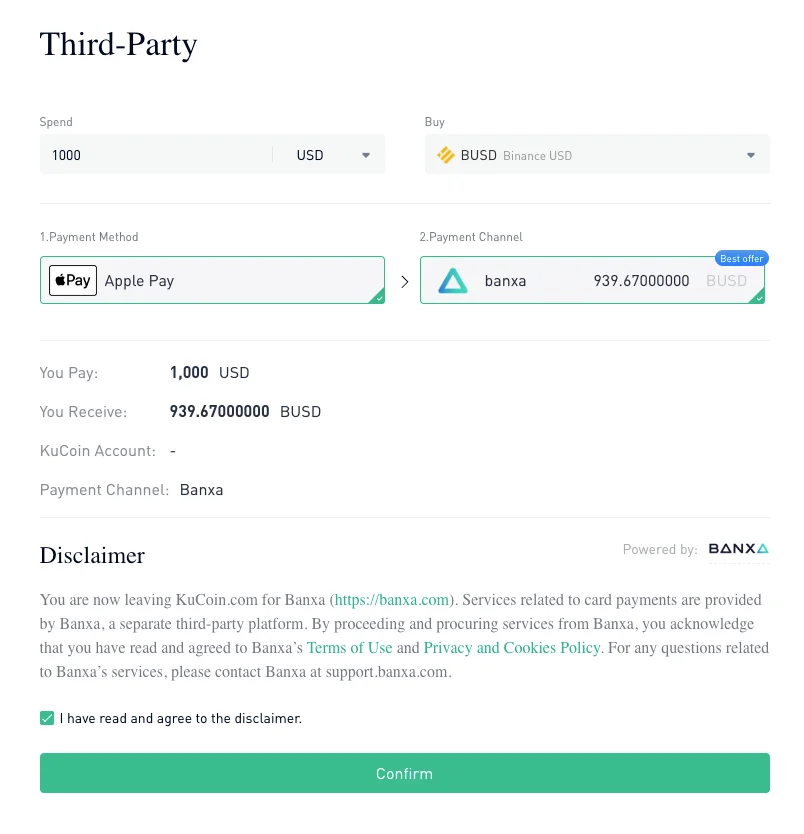
Bitmart supports a wide range of 42 fiat currencies, including USD, EUR, CAD, and AUD, but unfortunately does not offer any bank deposit options. Instead, users can buy crypto with fiat currencies through third-party services like Moonpay and Simplex.
We would avoid this purchase methods as the fees range between 3-7% depending on the fiat currency, coin and provider being used.
Buy crypto with Bitmart and Banxa
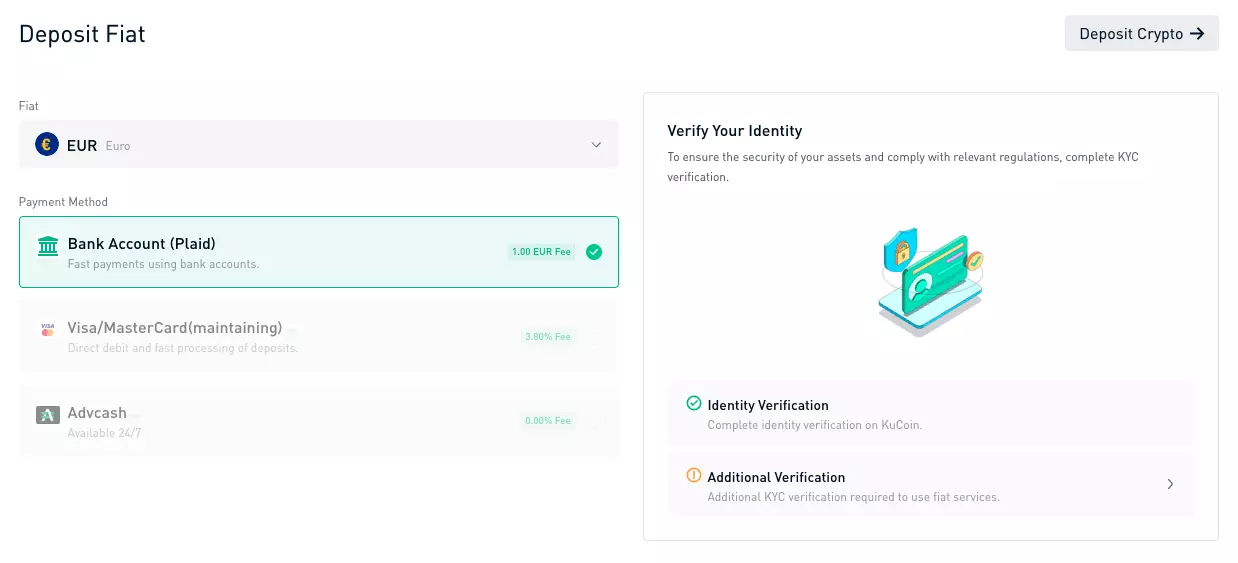
Kucoin supports deposits for 28 fiat currencies with the downside being that almost all of their deposit options are limited to Visa and Mastercard. The deposit fees with credit/debit card on Kucoin have a high 3.8% fee. Kucoin did however recently introduce bank deposit options for EUR with a low 1 EUR fee.
Kucoin fiat deposit
And similar to Bitmart, Kucoin also offers the option to buy crypto through third-party providers at similarly high fees. In both cases, we would advice that users leverage the trading platforms offered by Bitmart and Kucoin by depositing cryptocurrencies to these exchanges. Instead of using these exchanges as your base to buy crypto with fiat currencies.
In terms of fiat withdrawals, Bitmart does not offer any options for users to withdraw fiat currencies which means users can only withdraw cryptocurrencies. The fees for withdrawing crypto on Bitmart differs from crypto to crypto.
For example, to withdraw Bitcoin, Bitmart charges a 0.0005 BTC withdrawal fee and for Ethereum, that fee is 0.0026 ETH. For Solana and ERC-20 USDT, the withdrawal fees are 0.05 SOL and 5.4 USDT, which is one the higher end compared to the market average.
Kucoin fiat withdrawal
On the other hand, Kucoin does offer fiat withdrawals but only for EUR via SEPA which they charge a steep 5 EUR withdrawal fee for. And when it comes to the withdrawal fees offered by Kucoin for cryptocurrencies, you can find a selection of those in the table below.
To conclude, Bitmart and Kucoin are two popular cryptocurrency exchanges that offer a range of services to their users. Bitmart is known for its diverse range of over 750 cryptocurrencies and a range of trading options, including spot trading, futures contract trading, margin trading, and over-the-counter trading. The exchange has over 9 million users from around the world and is available in 180 countries.
On the other hand, Kucoin has become known for its social trading features and innovative offerings. The platform has grown an impressive user base of over 20 million users from over 200 countries around the world and supports 700 cryptocurrencies.
In terms of KYC requirements, neither Bitmart nor Kucoin requires it's users to pass KYC in order to deposit cryptocurrencies and begin trading. They do both however require KYC for buying and selling crypto with fiat currencies and to access increased withdrawal limits.
When it comes to trading fees, both exchanges offer the exact same fees by charging spot trading 0.1% for makers and takers. In terms of depositing fiat currencies, Bitmart supports 42 fiat currencies for buying crypto with third-party providers while Kucoin supports deposits for 28 fiat currencies with credit/debit card. In both cases however, the fees are on the high end.
eToro USA LLC: Investments are subject to market risk. Including the possible loss of principal.
Author
Jack Moreau
Jack is a crypto writer and reviewer who has been active in the space since he caught the crypto bug in 2017. With a passion for trying out new shiny things, Jack is always eager to try the latest cryptocurrency exchanges, wallets or DeFi applications.